Congeners are toxic byproducts of certain drinks, and typically the darker the drink, the higher the congener count. It’s Halfway house also the case that over 10 million of us are drinking alcohol in a way that can cause problems, affecting our health and impacting the people around us. Disturbed sleep can lead to feeling tired the next day and overdoing it on the caffeine, which will interrupt your sleep the night after! Reducing your drinking is likely to give us improved sleep, more energy and generally feeling better.

Myth: Alcohol relieves stress and anxiety.

Alcohol works on the same neural receptors as drugs like benzodiazepines (e.g., Xanax, Klonopin), and its calming effects are well known. But the rebound effects of alcohol consumption are less apparent. In the world of food and drink, there are a lot of myths and misinformation out there. From preventing hangovers to curing them, myths about alcohol you’ve probably heard at least one myth about alcohol over the years. We’ve covered food myths before, and now we’re diving into misconceptions surrounding booze. If you believe any, you might be surprised by how wrong they are.
Myth 5: Coffee can sober you up when you’ve had a few too many
- When you find the right tools and support for you, it’s possible to recover from alcohol use disorder.
- The notorious belly reputation of beer is thanks in part to its typically high calorie content and how easy it is to consume those calories.
- Many people believe that all substance tests deliver the same type of results and accuracy.
- Heavy drinking is defined by how much alcohol you have in a day or in a week.
But, much like “losing heat through your https://advisor-company-tw.com/what-is-full-time-equivalent-and-how-to-calculate/ head” myth, drinking alcohol often makes people feel warmer, so if you’re safe on your porch and you want a hot toddy, it will seem to “warm you up.” Speaking of… Occasional, moderate drinking (one drink) has not been shown to have long-term adverse effects. However, habitual or heavy drinking (more than two drinks a day) is linked to potential issues with gross motor development and abnormal weight gain in infants. At Milky Mama, we always encourage moms to prioritize their well-being and seek support if they feel they are relying on alcohol to cope with the stresses of new parenthood. You don’t have to do this alone; our Official Milky Mama Lactation Support Group on Facebook is a wonderful place to find community. One of the reasons why alcohol myths persist is that they often seem to make sense on the surface.
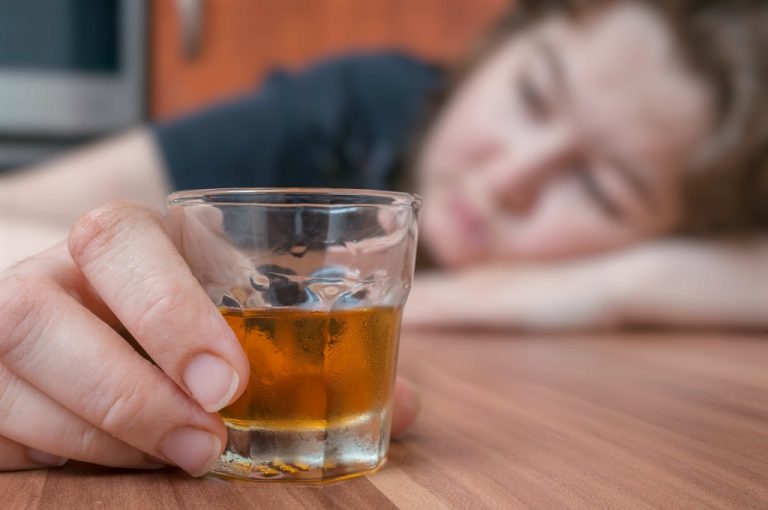
Myth 2: The worst thing that can happen if you drink too much alcohol is a hangover.
However, difference-related stereotypes, (e.g.4,12) and beliefs that recovery is not possible4,13 were not widely endorsed in the literature, in contrast to the importance the experts attributed to them. Divergence also existed around danger-focused myths, which were frequently endorsed in the literature (e.g.14) but considered of lower importance by experts in the present study. Six of the 10 myth-fact pairs reaching consensus in Round 2 decreased in consensus in Round 3. However, the four highest importance pairs (‘Cannot recover’; ‘Only affects certain groups’; ‘To blame’; ‘Able to control’) increased in consensus (all above 90%). The fifth highest importance pair (‘Bad character’) slightly decreased in consensus from 72% to 62% in Round 3. Even though consensus was lower for moderate importance pairs, it was reached for two (‘Drink all the time’ and ‘Dangerous’).
- In general, for brain health, I recommend people drink a maximum of one serving of alcohol once or twice a month.
- Understanding these risks is the first step toward making more mindful choices that align with your well-being.
- Despite being productive, individuals can face significant internal struggles related to substance abuse.
Lifestyle Quizzes
“I never put together that my anxiety was related to the drinking,” said McKowen. Around 10 million of us are drinking in ways that are harming our health. And each year, thousands of us experience longer-term health problems as a result of the alcohol we drink and which, tragically, can even result in early death. It can impact our health and wellbeing in all sorts of ways, sometimes on a daily basis – from the quality of the sleep we’re getting to our relationships with those we love. The sedative effects of alcohol soon wear off, meaning we find ourselves waking up more often. Alcohol also relaxes the muscles in our upper airways, making us more likely to snore.
Leave a Reply